
Google AI Personalised Ads: Your Gmail and Photos Data May Now Power Targeted Ads — How to Turn It Off
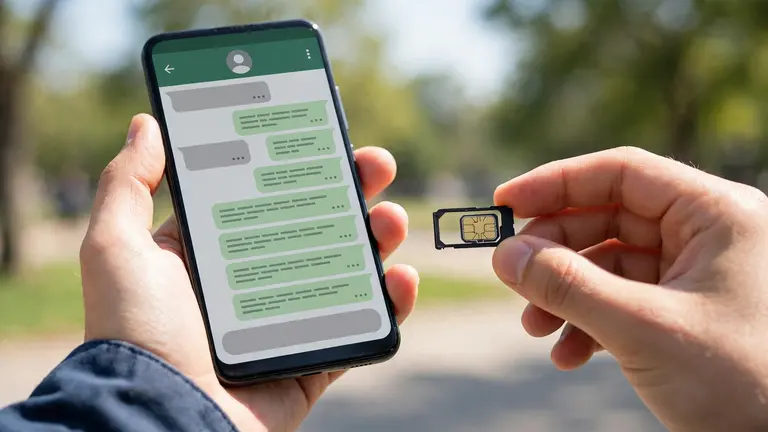
Google has quietly changed the deal on your personal data. Under its updated privacy policy, if you connect Gmail, Google Photos or Drive to Gemini or AI Search, that connected data can now be used to show you Google AI personalised ads. The change took effect on 16 October 2026 — and most users will never see a warning about it. Here is exactly what changed, and how to switch it off.
Quick facts:
- What changed: Google’s privacy policy (16 October 2026) adds an exception to its old promise on Gmail, Photos and Drive data.
- The trigger: connecting Gmail, Photos, Drive or YouTube to Gemini or AI Search through Personal Intelligence.
- By default: your Gmail, Drive and Photos content is not used for personalised ads.
- What advertisers get: they do not see your emails, photos or personal details — only ad targeting signals.
- How to stop it: disconnect apps in Search Services Personalisation, or turn off Personalised Recommendations entirely.
What Exactly Changed on 16 October 2026?
For years, Google’s privacy policy promised that data in Google Drive, Gmail and Google Photos would not be used to serve personalised ads. The 16 October 2026 update keeps that promise — but adds one exception, in Google’s own words: “unless you choose to make data from these services available to other Google services that support personalised ads.”
In practice, that exception is Personal Intelligence — the feature Google launched in Gemini in January 2026 that lets you connect Gmail, Google Photos, Drive and YouTube so AI tools can give more personal answers. If you allow Search or Gemini to see that connected data, Search “may process some of the data that you allow Search to access to personalize content, including ads.” Google’s example: search for mountain bikes, and you may see ads for sports equipment on YouTube.
The change was first reported by Android Authority, and has since been covered by The Indian Express, Times Now and ETV Bharat.
What Does This Mean for You?
If you have never connected Gmail, Photos or Drive to Gemini or AI Search, nothing changes — your private content is still not used for ads. The change only bites once you opt into Personal Intelligence: the same connection that makes Gemini’s answers smarter (it can check your emails or photos for context) also turns that context into an advertising signal.
Two reassurances matter. First, advertisers still cannot open your inbox or photo library: Google says they do not get access to your Drive, Gmail or Photos content, or personally identifiable information such as your name or email address. Second, Google continues not to show ads based on sensitive topics, including race, sexual orientation, religion or health.
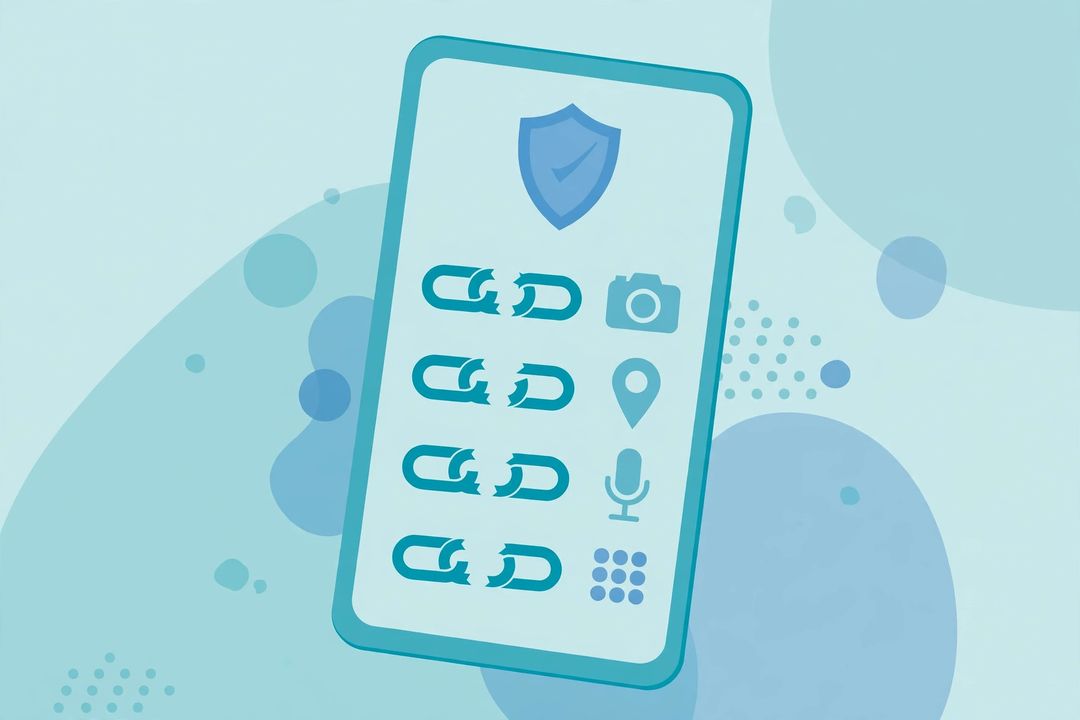
How to Turn Off Google AI Personalised Ads (6 Steps)
- Open your Google Account settings.
- Go to the Data and privacy tab.
- Under Personalisation and activity, select Search Services Personalisation.
- Go to Manage Personalised Recommendations to find your Connected Content apps (such as Gmail, Google Photos and YouTube).
- Select each app you want to disconnect from Personal Intelligence.
- Or turn off Personalised Recommendations entirely to switch off this tracking altogether.
Disconnecting single apps gives you finer control — keep the connections you actually use, drop the rest. Turning off Personalised Recommendations is the quicker, all-in-one option. Either way, check back occasionally: as this update shows, policies can change without a loud announcement.
Who Gets Personal Intelligence — and Who Does Not?
Personal Intelligence is rolling out in beta to eligible users aged over 19 worldwide. It is not available in the European Economic Area, Switzerland, the United Kingdom or Nigeria — so users there are currently outside this change, though reviewing privacy settings regularly is still wise.
Google Is Not Alone: AI Ads Are Spreading
Google is not the only company bringing advertising into AI tools. OpenAI began showing ads to logged-in adult users in the US on its free and ChatGPT Go tiers in January 2026, and this week expanded ads to 26 more countries, bringing the total to 89. OpenAI says it keeps conversations private from advertisers, does not sell customer data, and keeps ads labelled and separate from ChatGPT’s answers — they do not influence what the chatbot says.
Honest opinion: personalised AI answers are genuinely useful — but the trade-off should be a clear choice, not a quiet policy line. If you connected your apps for smarter answers, check what that connection now costs you in ads.
Have you connected Gmail or Photos to Gemini? Will you keep the connection, or switch it off? Tell us in the comments.
Related: Gemini AI Photo Prompts • Gemini Photo Editing Prompts • UPI MDR Charges in India