UPI MDR Charges in India: What Changes for Users, Merchants and Payments Above ₹2,000
Will UPI stop being free? That question has worried millions of users since UPI MDR charges were announced — a 0.4% fee on select merchant payments above ₹2,000. The good news first: for ordinary users, UPI stays free. The charge falls on merchants, not customers — and its rollout, due on 15 October 2026, has now been postponed to after Diwali. Here is the full picture.
Quick facts:
- What is UPI MDR? A 0.4% merchant discount rate on select person-to-merchant (P2M) UPI payments above ₹2,000.
- Original start date: 15 October 2026 — postponed by NPCI on 13 October 2026.
- New expected rollout: second week of November 2026, after Diwali (8 November 2026) — the exact date has not been announced yet.
- Person-to-person payments: remain free, whatever the amount.
- Merchant payments up to ₹2,000: remain free.
- Who set the rate? The UPI Steering Committee, run by NPCI, which operates UPI.
What Is UPI MDR?
MDR — merchant discount rate — is the fee a merchant pays to banks and payment providers for accepting a digital payment. Card payments have always had MDR; UPI did not, because the government kept UPI at zero MDR from January 2020 to push digital payments across India. That policy worked: UPI processed 24.07 billion transactions worth ₹29.37 lakh crore in September 2026 alone, according to NPCI data.
Now the UPI Steering Committee has fixed MDR at 0.4% — 40 paise per ₹100 — but only on select merchant payments above ₹2,000. At that rate, a ₹2,000 payment carries an ₹8 fee and a ₹10,000 payment carries ₹40. Reports also put a cap of ₹300 on very large payments of ₹75,000 and above.
What Changes for Users? Nothing to Pay
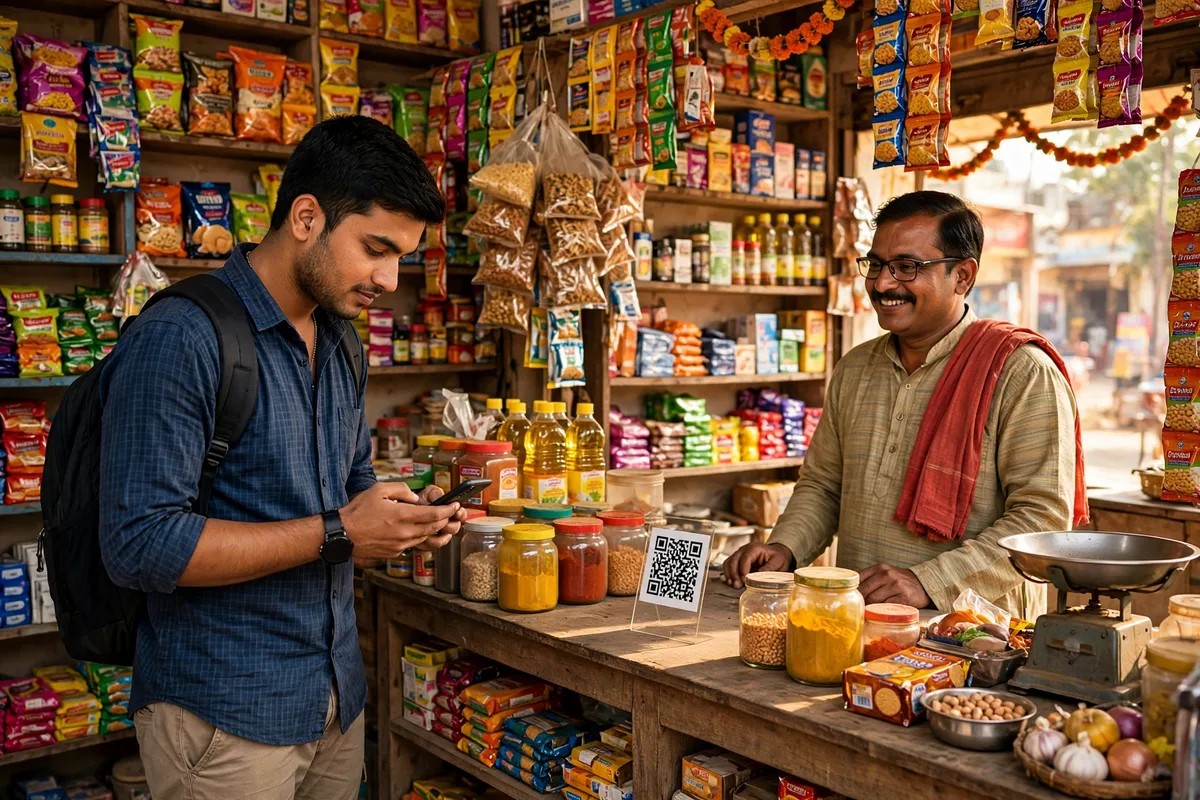
For ordinary users, nothing changes. Sending money to a friend or family member stays free, no matter the amount — those person-to-person transfers sit outside the MDR framework entirely. Paying a shop up to ₹2,000 also stays free.
Even for larger merchant payments, the charge is the merchant’s, not yours. The government has instructed that customer payment use must remain free, and merchants cannot add an MDR surcharge to your bill simply because you chose UPI. If a shop ever asks you to pay extra “for UPI”, that is not how the rule works — you can refuse and pay the same price as any other customer.
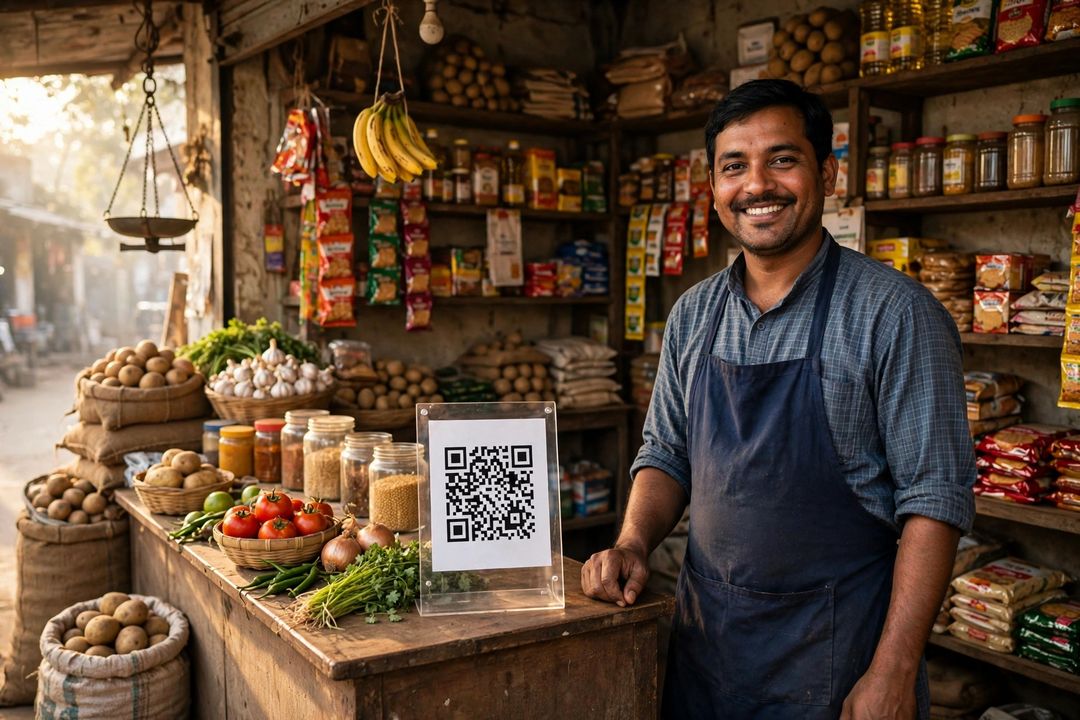
What Changes for Merchants?
Merchants accepting UPI will pay 0.4% on select payments above ₹2,000 — the first time UPI has carried a merchant fee since 2020. Small merchants get protection: payments under the designated zero-MDR treatment, including small-merchant transactions, stay outside the charge, and everyday bills up to ₹2,000 are untouched.
That is why the pushback came from traders. The All India Mobile Retailers Association (AIMRA), representing over 1.5 lakh mainline mobile retailers, welcomed the postponement, saying thin-margin retailers would have been hit hard during peak festive trade. LPG distributors also sought a full exemption, arguing they work on fixed commissions and cannot absorb the fee. Banks and payment providers, on the other hand, have had no direct revenue from merchant UPI transactions since 2020 — which is exactly why the fee is being introduced now.
Why Was UPI MDR Postponed?
NPCI’s UPI and Services Steering Committee decided on 13 October 2026 that, keeping the festive season in mind, MDR on select P2M transactions would be implemented “immediately post Diwali on a date to be notified separately”. Merchant bodies, fintechs and payment companies had all asked for a delay, warning that a fee during Diwali shopping would hurt consumer sentiment and burden small businesses. Reports also said the government was concerned merchants might pass the cost on to customers in some form.
Moneycontrol had reported on 8 October that NPCI was considering pushing the rollout all the way to January 2027. The final NPCI word is narrower: after Diwali, date to be announced. With Diwali falling on 8 November 2026, reports now expect the rollout in the second week of November — but until NPCI notifies a date, that remains a report, not a confirmed date.
UPI MDR Timeline
- January 2020: zero-MDR policy for UPI begins; UPI grows from 125 crore monthly transactions to over 1,400 crore a month by 2026.
- September 2026: UPI Steering Committee fixes MDR at 0.4% for select merchant payments above ₹2,000.
- 15 October 2026: original rollout date.
- 13 October 2026: NPCI postpones the rollout to immediately after Diwali, date to be notified separately.
- 8 November 2026: Diwali. Rollout expected in the second week of November (reported, not confirmed).
What Should You Do?
- As a user: nothing. Keep using UPI as before — your payments stay free.
- As a small shopkeeper: check whether your transactions fall under the zero-MDR treatment, and watch for NPCI’s notified date before changing anything about how you accept payments.
- As a business: if you take large UPI payments above ₹2,000, factor 0.4% into your costs from the notified date — but do not add it to customer bills.
Honest opinion: at 0.4%, the fee is tiny on a single payment — but for a shop doing lakhs in UPI sales every month, it adds up fast, which is exactly why traders fought it. The real test will be whether the fee stays truly invisible to customers once it starts.
Do you think UPI should have stayed completely free, or is a small merchant fee fair for keeping the system running? Tell us in the comments.
Related: WhatsApp SIM Binding in India: New Rule From 1 January 2027 • Google Flow Prompts